The Land That Teaches
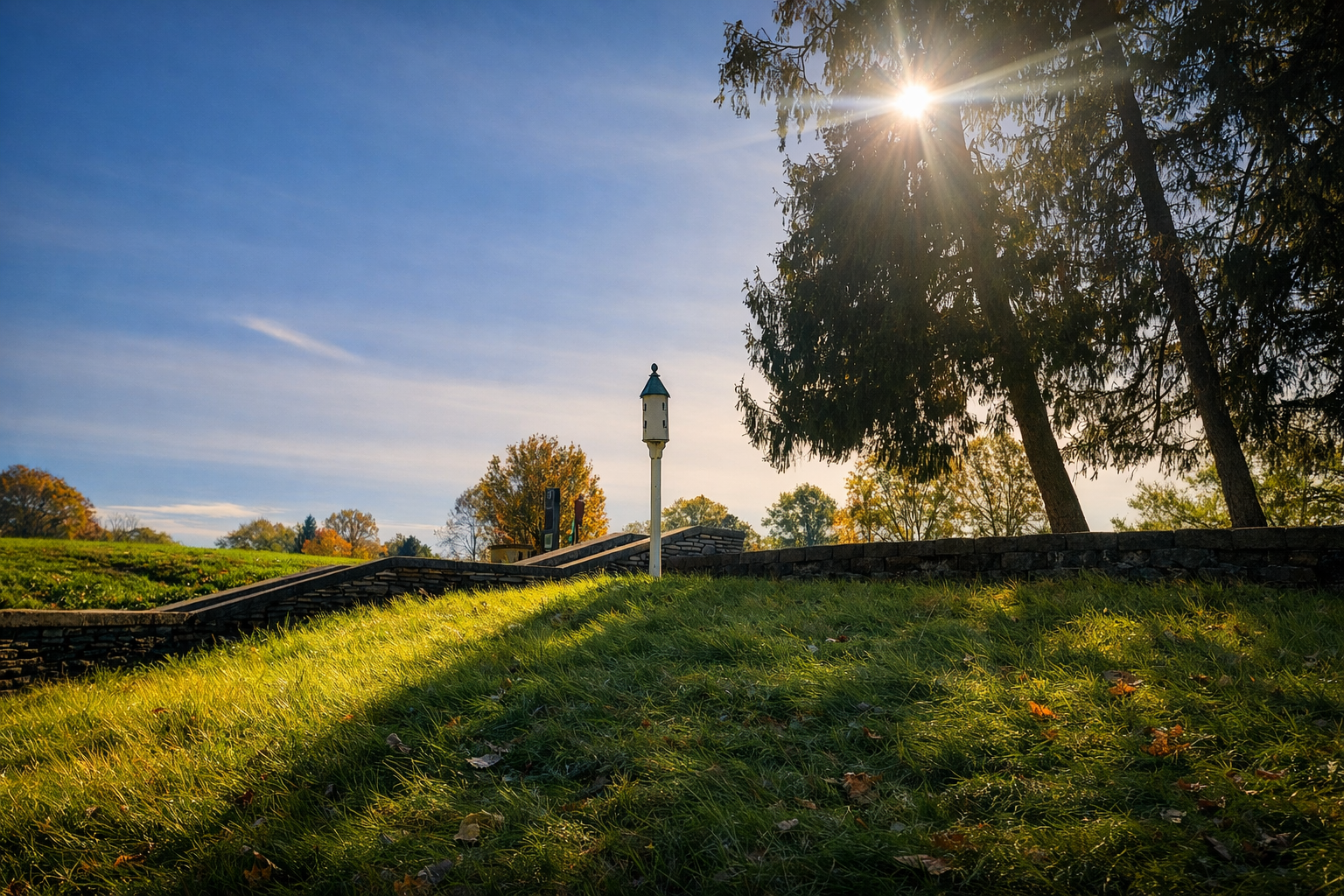
On walking the same ground long enough to understand what matters
Some lessons are learned sitting still. Others require you to walk. A path walked for more than a century tells a different story each time. If you pay close attention, the land will shape you, just as it has been shaped by weather, footsteps, and time. Not all is revealed at once—only subtly—noticed by those willing to return. What once felt like something to push through now feels like something worth listening to.
With worn edges, uneven lies, and honest ground, this municipal course quietly resists even the most carefully chosen lines. In places, the ground has shifted over time, requiring new approaches and a keener touch.
It becomes a matter of trust—an understanding that the land has the final say. Over time, the emphasis moves away from results and toward response. The longer you walk it, the more you notice what’s been there all along.
Places like Otis Park Golf Course endure because they are returned to, not because they are celebrated. This municipal ground has been walked for generations, shaped by use rather than spectacle. It isn’t perfect, and it doesn’t try to be. Its value comes from familiarity, from showing up again and again, from remaining when everything else changes. What gives it meaning isn’t reputation, but continuity.
In the end, the lesson isn’t about mastering the ground, but about continuing to walk it. Showing up without urgency. Paying attention without expectation. The land doesn’t ask to be solved or conquered—it simply remains, offering its quiet instruction to those willing to return. And so you keep walking, not to arrive, but to notice, trusting that what matters has been there all along.
